
Cosmetic Safety Assessment in the EU: Requirements, CPSR and Compliance
- Home
- Cosmetic Safety Assessment in the EU
A cosmetic safety assessment in the EU is the scientific evaluation of a cosmetic product’s formulation to determine whether it is safe for human health under normal and reasonably foreseeable conditions of use. This assessment is mandatory before placing any cosmetic product on the EU market.
The outcome of the assessment is documented in the Cosmetic Product Safety Report (CPSR), which forms a core part of the Product Information File (PIF). The legal basis for this requirement is Regulation (EC) No 1223/2009, Article 10, which obliges the Responsible Person to ensure that a safety assessment is completed prior to market placement.
The CPSR consists of two distinct parts as defined in Annex I of the Regulation:
- Part A: Safety Information, which compiles all relevant data needed to assess safety
- Part B: Safety Assessment, which contains the expert evaluation and safety conclusion provided by the qualified assessor
Table of Content
Who Can Perform a Safety Assessment
The safety assessment must be carried out by a qualified safety assessor with scientific training in toxicology, pharmacy, medicine or a related discipline, typically recognized within the EU scientific community. Competence includes understanding toxicological data interpretation and exposure assessment. This role is essential to provide a defensible opinion based on the product’s composition and intended use.
A “qualified safety assessor” means a person with appropriate formal qualifications in relevant scientific fields who applies scientific principles to establish consumer safety in cosmetics.
Required Data Before Starting an Assessment
Before a safety assessment, full quantitative and qualitative formula data must be provided. This includes ingredient identity using INCI names and concentrations, physicochemical properties, toxicological profiles of ingredients, microbiological quality, intended use and exposure conditions. Supporting documentation such as Safety Data Sheets (SDS), stability and preservative efficacy results, and any available human data should be assembled.
Toxicological Evaluation in Cosmetics
Toxicological evaluation in cosmetics considers the hazard properties of each ingredient and the finished product. It assesses potential systemic and local toxic effects based on existing scientific literature, regulatory lists such as prohibited or restricted substances in EU annexes and any available toxicology data. It also includes identifying endpoints relevant to the intended product use and levels of exposure.
Exposure Assessment Basics
Exposure assessment in cosmetics estimates how much of each substance will contact external body surfaces, hair, mucous membranes and teeth under normal and reasonably foreseeable use. It integrates product usage patterns, application areas, frequency and duration to contextualize toxicological thresholds. This step is critical to quantify Margin of Safety and justify whether identified hazards pose a risk at realistic exposure levels.

Special Populations and Product Types
When assessing products for special populations such as children or sensitive areas (eyes, mucous membranes), additional care is taken to consider physiological differences and exposure magnitudes. The safety assessor selects relevant data and scenarios that reflect unique use patterns and vulnerabilities to ensure safety conclusions remain appropriate.
Impurities, Contaminants, and Trace Substances
Impurities, contaminants and trace substances are considered conceptually as part of ingredient evaluation and safety information. Their presence is documented with respect to technical unavoidability and toxicological significance. When prohibited substances are detected at trace levels, justification for technical unavoidability and risk evaluation are included in the safety documentation.
Fragrance Allergens and Labeling Considerations
Fragrance allergens are evaluated both in the safety assessment and through labeling requirements. The safety assessment considers allergenic potential with exposure in mind, while EU labeling rules require disclosure of specified allergens above threshold levels to inform consumers.
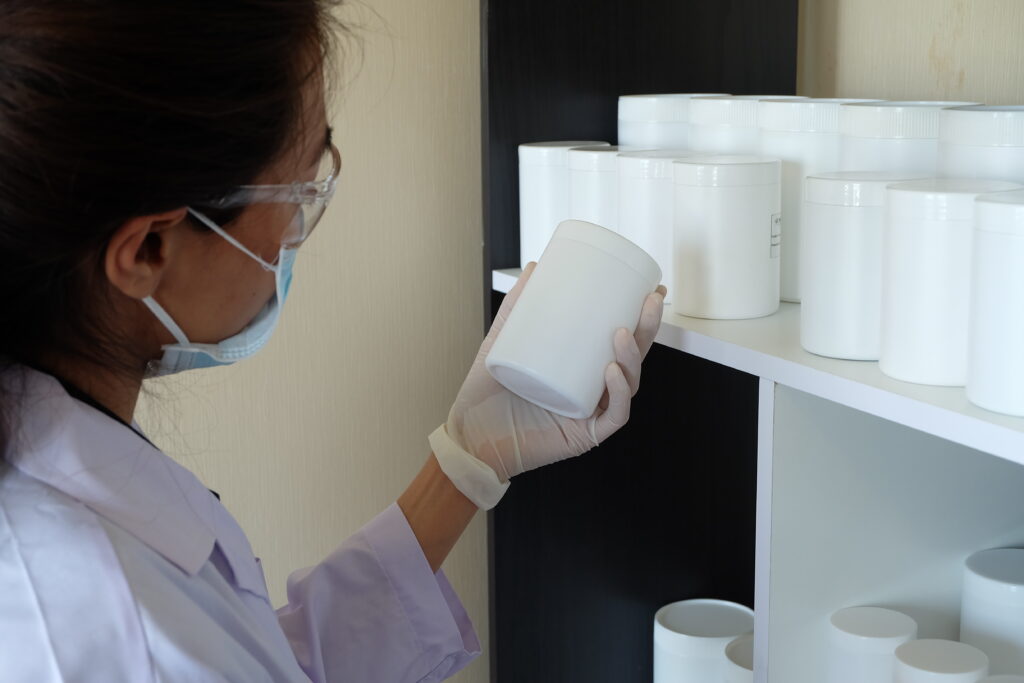
How Safety Assessment Links to the Product Information File and Responsible Person Duties
The Cosmetic Product Safety Report, including the safety assessment, is a core component of the Product Information File (PIF) that a Responsible Person must hold and maintain for each product placed on the EU market for ten years. The Responsible Person ensures compliance with Regulation (EC) No 1223/2009, including notification in the Cosmetic Products Notification Portal (CPNP) and ensuring the safety assessment’s conclusions support legal market placement.
When to Update a Safety Assessment
A safety assessment must be updated when significant changes occur such as formula modifications, new toxicological evidence, changes in intended use or updated regulatory restrictions. Updating ensures that risk conclusions remain current and scientifically defensible.
Common Non-Compliance Issues and Avoidance
Common non-compliance includes incomplete ingredient data, insufficient exposure scenarios, lack of justification for impurities and outdated toxicological references. Avoidance requires early assembly of comprehensive data, use of current scientific literature and rigorous documentation that aligns with regulatory expectations.
Need support with your CPSR?
If you need a compliant Cosmetic Product Safety Report for the EU market or support updating an existing safety assessment, our qualified safety assessors can support you throughout the process in line with Regulation (EC) No 1223/2009.
Author

Christophe Brault-Chevalier
Related Posts
17 June 2026
Get in Touch
Need a piece of advice, a quotation or answers to your questions?
Fill in this form or contact us directly: info@biorius.com – We will answer as soon as possible!
As specialists in cosmetic Regulations for more than 15 years, Biorius offers a reliable turnkey solution for placing cosmetic products in various markets:
-
First Class specialists in cosmetic regulations in Europe, the United Kingdom, the United States, and in more than 60 countries -
50 regulatory experts, toxicologists, pharmacists, and chemists to serve you. -
A unique model that guarantees you both the fastest turnaround possible and high-quality services. Curious? Ask us to know more! -
A best-in-class IT tool, free of charge, and saving a lot of your time. -
More than 1,500 international clients have already chosen Biorius! -
We evaluated more than 50,000 products and have always successfully managed compliance over 15 years of existence
"*" indicates required fields